House Shifting Charges in Bangalore: Plan Your Home Move Room by Room
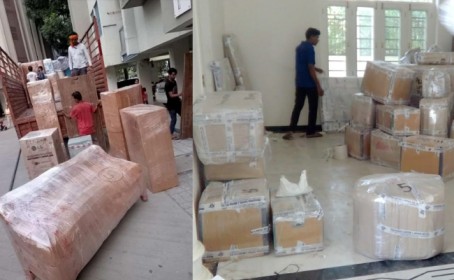
House shifting charges in Bangalore depend on what you own and how easily the goods leave one building and enter the next. Count the kitchen cartons, check whether the sofa fits in the lift, note how far the truck can park from the door, and list appliances that need a technician. The quick-answer table below gives indicative local ranges for 1 RK to 4 BHK homes; the calculator then helps you build a budget around your inventory and access.
This guide is built around that counting. It gives you indicative ranges for 1 RK to 4 BHK homes, a calculator to rough out a budget, a room-by-room inventory you can fill in, an access card for both buildings, and a plan for making the new home usable on the first night. Use it before you call any mover, and the estimate you get back will be based on your home rather than on a guess about “a typical 2 BHK”.
Quick answer: what does house shifting cost in Bangalore?
For a local move within the city, these are indicative ranges for the core job: packing, loading, transport and unloading for a normal amount of household goods.
| Home size | Indicative local range |
|---|---|
| 1 RK / studio | ₹2,500 – ₹5,000 |
| 1 BHK | ₹3,500 – ₹8,000 |
| 2 BHK | ₹5,500 – ₹14,000 |
| 3 BHK | ₹8,000 – ₹22,000 |
| 4 BHK / villa | ₹15,000 – ₹35,000+ |
Three things often sit outside these figures: technician work (AC, TV wall mounts, geyser, RO, carpenter jobs), unusual access such as stairs without a lift or a long walk from the vehicle, and tax or transit cover as shown on your actual quote. Moving to another city works differently, and is covered in the intercity section below.
House shifting cost calculator for Bangalore homes
Pick your home size, distance, floor and lift situation at the old home, access at the new home and packing level. The result shows each component separately so you can see what is driving the number.
How to read the estimate
- The components add up to the result. For local moves, packing, labour, transport and your entered access/other allowances are shown individually, and the total is their sum. Intercity results use one route base plus entered extras; its included scope must be confirmed rather than split into invented components.
- Distance changes transport only. A longer local route needs more vehicle time and fuel, but it does not change how many cartons your kitchen needs.
- Extra protection changes packing only. For local moves, the model raises only the material line; it does not automatically add labour or transport. An intercity upgrade remains to be assessed rather than being applied again to a route band.
- Stair and access amounts are provisional. Enter an allowance only for extra work missing from the base reference. A blank stair allowance remains unpriced and displays a warning; the tool does not assume a standard floor tariff. Even an entered amount does not approve carrying heavy items on your staircase. That needs someone to assess the stairs and the goods.
- Intercity moves use route figures, not a multiplier. If you pick a destination outside Bangalore, the calculator shows the band published on that route’s page for the mode you choose. Where there is no published band for your home size or mode, it tells you a survey is needed and links you to the route page instead of inventing a price.
What the calculator does not include
Tax, transit cover, society deposits, AC gas or piping, wall drilling hardware, storage, and anything you have not told it about. It does not store, send or email anything you enter, and it is not a booking or a fixed offer. Treat it as a way to check whether a quote you receive is in a sensible zone and, more usefully, to see which line of the quote to question.
Using the extra allowance without double counting
There is an optional field for anything extra you expect, such as an AC refit or a TV remount. Only add things that your quote does not already cover. If a mover’s written quote already says “two beds dismantled and reassembled”, putting carpenter charges in the extra box as well will make your budget look higher than it should be.
1 BHK, 2 BHK and 3 BHK shifting cost: why the same size varies
The BHK label tells you how many rooms there are, not how much is in them or how hard it is to get it out. A 2 BHK belonging to a young couple who moved in eight months ago is a very different job from a 2 BHK where a family of four has lived for six years.
| Home | Indicative local range | Usually nearer the lower end when… | Usually nearer the upper end when… |
|---|---|---|---|
| 1 RK | ₹2,500 – ₹5,000 | Mostly suitcases and a few cartons, a simple cot, lift or ground floor | A fridge and washing machine, a storage bed, stairs or a long carry to the vehicle |
| 1 BHK | ₹3,500 – ₹8,000 | You pack clothes and books yourself, lift at both ends, short distance | Full packing including kitchen, a wardrobe to dismantle, no lift at one end |
| 2 BHK | ₹5,500 – ₹14,000 | Light furniture, one TV, no owned AC, booked service lifts | Loft full of cartons, work-from-home setup, solid wood furniture, stairs or narrow lane |
| 3 BHK | ₹8,000 – ₹22,000 | Many built-in wardrobes that stay behind, wide lifts, vehicle close to the lobby | Several ACs and TVs, glass dining top, heavy beds, long basement walk |
| 4 BHK / villa | ₹15,000 – ₹35,000+ | Well decluttered home, good vehicle access, little technician work | Several floors inside the house, home gym, garden items, more than one vehicle or trip |
Two homes, same 2 BHK, different work
Here is a made-up comparison to show how this plays out. Neither is a real customer.
Home A is a 2 BHK on the 14th floor of a tower in Whitefield. The service lift can be booked, the vehicle can stand at the tower drop-off, and the couple living there pack their own clothes. The ACs belong to the landlord and stay. They are moving about 10 km to a similar tower with a lift.
Home B is a 2 BHK on the second floor of an older building in a Malleshwaram lane, with no lift and a staircase that has a tight turn halfway up. The lane is too narrow for a large vehicle to stand for long, so goods have to be carried to the main road. A family of four has lived there for years: many cartons of books and kitchen items, a teak wardrobe that must come apart, and two split ACs they own. They are also moving about 10 km.
Both are “2 BHK, 10 km”. Home A can sit near the lower end of the range. Home B has more cartons, carpenter work, stair carrying and a longer carry, so its core move sits much higher, and the two AC jobs come on top. The difference comes from what was counted and measured, not from the label.
Why BHK alone cannot tell you the vehicle size
Charts that say “2 BHK = this truck” are convenient but often wrong for a real home. Vehicle choice depends on the total volume of goods, the size of the biggest single item, and what can physically reach both buildings. A home with a lot of cartons may need more space than its BHK suggests, while a sparsely furnished flat may need less. A low basement entry or a narrow lane can also force a smaller vehicle making two trips. Let the mover choose the vehicle after seeing your inventory and access card, and ask them to write the vehicle type and number of trips on the quote.
Room-by-room moving inventory you can actually fill in
A good inventory is the single most useful thing you can give a mover. It takes about an hour with a measuring tape and your phone. Walk through each room in order, open every cupboard and loft, and note the following for each item or group of items:
- Item and count
- Approximate size (length × width × height) for anything large
- Dismantling needed or not
- Packed by: you or the movers
- Not moving: sold, donated, landlord’s, or going back to a rental company
The sample rows below show the level of detail that helps. Your sizes and items will be different.
| Room | Item | Count | Approx. size | Dismantle? | Packed by | Notes |
|---|---|---|---|---|---|---|
| Living | Three-seater sofa | 1 | 210 × 90 × 85 cm | Legs only | Movers wrap | Check lift cabin depth |
| Living | 55-inch TV on wall bracket | 1 | — | Unmount | Movers | Bracket stays or goes? Drilling allowed at new home? |
| Bedroom 1 | Queen bed with hydraulic storage | 1 | 200 × 160 cm | Yes | Movers | Carpenter needed; empty storage first |
| Bedroom 1 | Three-door wardrobe | 1 | 150 × 60 × 210 cm | If it won’t pass the door | Movers | Clothes out and packed separately |
| Kitchen | Double-door fridge | 1 | 70 × 70 × 175 cm | No | Movers | Empty, defrost and dry beforehand |
| Kitchen | Crockery, utensils, dry groceries | ___ cartons | Small and medium | — | Movers (fragile) | Finish open packets before the day |
| Utility | Front-load washing machine | 1 | 60 × 60 × 85 cm | No | Movers | Transit bolts if the manual calls for them |
| Work corner | Desk, two monitors, chair, printer | ___ | Desk 120 × 60 cm | Desk maybe | You pack cables | Router may belong to the internet provider |
| Study | Books | ___ cartons | Small cartons only | — | You or movers | Books get heavy fast; keep boxes small |
| Balcony | Plants, drying stand, cycle | ___ | — | Stand folds | Movers | Pots drained a day before |
| Loft | Old cartons, suitcases, festival décor | ___ | — | — | You check first | Open and sort before counting |
| Rented | Rented sofa or appliance | ___ | — | — | — | Return to rental company, not moved |
The places people forget to count
- The work-from-home corner. Monitors, a docking station, an office chair, a UPS and cables add up, and monitors need proper packing. If any of it belongs to your employer, check whether they want it moved with you or returned.
- Lofts and top shelves. These are where old cartons, spare mattresses, festival boxes and the pressure cooker you never use tend to hide. A loft can easily add a lot of volume nobody mentioned on the phone.
- Balcony and utility area. Plants, buckets, a drying stand, a cycle or a small gas stove for the balcony all need space and handling.
- Under-bed storage, shoe racks and pooja units. Small but awkward, and pooja items are usually packed with extra care.
- Things in the car boot or the parking area. Gym equipment, a spare tyre, old paint tins. Decide what goes and what doesn’t.
What should not go on the moving list
Landlord’s fixtures such as ceiling fans, geysers, curtain rods or a built-in RO, unless your rental agreement says they are yours. Rented furniture and appliances, which go back to the rental company. Jewellery, cash, documents, laptops and medicines, which you carry yourself. And items most movers will not load, such as filled LPG cylinders, fuel, open paint and chemicals; ask your mover for their list.
The both-address access card
Most moving-day surprises come from the buildings, not the furniture. Fill this card for both homes and send it along with your inventory. A clear photo or short video of the entrance, lift and staircase helps even more.
| Check | Old home | New home |
|---|---|---|
| Full address with block or tower, flat number, sector or phase, main, cross and landmark | ||
| Floor number | ||
| Lift: service or passenger, usable door width, cabin depth and height | ||
| Lift slot booked (date and time) | ||
| Largest item and its size vs the narrowest door, corridor or stair turn | ||
| Where the vehicle can stand: main gate, tower drop-off or basement (note ramp height) | ||
| Carrying distance from vehicle to lift or stairs | ||
| Society permission, timing window and gate pass | ||
| Who holds the keys and who will receive the goods |
Same locality, very different work
Locality names hide a lot. In Whitefield, a flat in a large tower may have a good service lift but a long walk from wherever the vehicle is allowed to stand, plus a basement entry too low for anything bigger than a small truck. A few kilometres away, an older independent house may have no lift at all but the vehicle can park right at the gate.
In Malleshwaram and similar older areas, the issue is often the lane: a vehicle may not be able to stand outside for long, and staircases in older buildings can be narrow with sharp turns. That means smaller loads, more carrying and sometimes a smaller vehicle making extra trips.
HSR Layout shows why the full address matters. “HSR” alone could mean an apartment block in one sector or a house in another, and the sector, main and cross number decide which street the vehicle takes and how close it can get. Always give the complete address with a landmark, and share a map pin for both homes.
Bangalore apartment moving checklist: society and building rules at both ends
Every apartment association sets its own rules, and they can change, so do not rely on what a friend’s society does or what you read online. Speak to the facility or association office at both buildings and get the answers in a message you can show the crew. Things to ask:
- Permitted moving hours and days. Many societies allow shifting only in a daytime window and some restrict certain days. Ask for yours.
- Lift booking. How to book the service lift, for how long, and whether lift walls must be covered with protective sheets.
- Move-out clearance. Whether maintenance dues must be cleared before goods can leave, and how much notice the office needs.
- Gate pass. Whether the vehicle number and crew details are needed in advance.
- Deposits or fees. Some associations ask for a refundable deposit or a move-in fee, many do not. This is between you and the society, separate from moving charges, so confirm the amount and the refund terms with them.
- Vehicle access. Where the vehicle may stand, basement height, and whether large vehicles are allowed inside the campus.
For independent houses and smaller buildings without an association, a word with neighbours about parking and the staircase on moving day avoids friction. If the lane is narrow, plan the vehicle position early in the day.
Packing material: what you are paying for
Packing is one of the biggest lines on a household quote, and one of the easiest to misunderstand. A packing line usually covers material and the labour of using it: cartons in different sizes, bubble wrap, stretch film, foam or corrugated sheets for furniture edges, tape, and sometimes mattress covers and special cartons for TVs.
- Standard packing suits most local moves: cartons for kitchen and loose items, wrap for furniture and appliances, and extra layers on glass and screens.
- Extra protection makes sense for glass dining tops, polished wood, artwork, mirrors, a new large TV or long intercity journeys. Ask what exactly changes: more layers, foam corners, a wooden frame for a specific item.
- Who packs what. If you pack clothes, linen, soft toys and books yourself, say so. Movers then quote packing for the fragile and heavy items only.
- Unpacking. Ask whether unpacking and carrying away used material is included, or whether the crew will place cartons in rooms and leave. Both are fine, as long as you know which one you are paying for.
- Extra cartons on the day. Ask how additional cartons are charged if the count goes beyond the quote. An accurate inventory makes this rare.
Label each carton with the room it goes to and a short list of what is inside. It speeds up unloading and makes the first night far easier.
Appliance dismantling charges and furniture work: budgeting allowances
These are broad allowances to help you budget, not standard rates. The actual cost depends on the model, the fittings, the condition of the points at both homes and who does the work. None of this is automatically part of a house shifting quote; ask for it to be listed separately.
| Item | Removal / dismantling | Refit / reassembly | What to check |
|---|---|---|---|
| Split AC | ₹700 – ₹1,000 | ₹1,200 – ₹1,800 | Gas, extra copper piping, outdoor stand and electrical work are extra. Use a qualified AC technician. |
| Wall-mounted TV | ₹250 – ₹400 | ₹450 – ₹750 | Bracket and hardware assessed separately. Get owner or landlord consent before drilling. |
| Geyser | ₹350 – ₹500 | ₹500 – ₹800 | Depends on connections and point position; fittings or parts extra. |
| RO purifier | ₹300 – ₹450 | ₹450 – ₹700 | Needs a water inlet and plug point at the new home; filters and fittings extra. |
| Bed or wardrobe (per piece) | ₹400 – ₹700 | ₹700 – ₹1,200 | Modular furniture is simpler than carpenter-built pieces; some built-ins should not be taken apart at all. |
| Items too large for lift or stairs | Assessed on survey only | Needs proper equipment, building permission and a safety check. Pulling furniture over a balcony on a rope is not a safe default. | |
A fridge and washing machine usually just need to be disconnected, moved and placed, but water and drain connections at the new home may need a plumber or technician. Settle this in the quote so nobody argues about it at the new house.
Tenant handover and new keys: timing the two homes
For tenants, a house move is really two jobs: leaving one rental in good order and starting the next one smoothly. Keep the moving cost and the rental deposit separate in your head. The deposit is between you and your landlord, and moving charges should never be planned on the assumption that it will come back on the same day.
At the old home
- Separate what you own from what came with the flat. Fans, lights, geysers, curtain rods and some ROs often belong to the landlord.
- Photograph walls, floors and fittings once your things are out, room by room, with the date visible on your phone.
- Ask the landlord before removing anything screwed to the wall, such as a TV bracket or a shelf, and agree whether holes will be filled.
- Arrange for rental furniture or appliances to be collected before moving day so they are not packed by mistake.
- Hand over keys, access cards and remotes only after the last carton has left.
At the new home
- Have the keys in hand before the vehicle leaves the old address. A loaded vehicle waiting for keys is lost time.
- Book the lift slot to match the expected arrival, with some margin for traffic.
- If you cannot be there, name a receiver and share their number with the crew.
- Check that water and power are on, and that the flat has been cleaned before furniture goes in.
Making the new home usable on the first night
A successful move is not just everything arriving undamaged. It is being able to sleep, bathe and make tea that evening. Most of that depends on appliances and utilities, and it is worth planning each one rather than assuming the movers will reconnect everything.
- Fridge. Empty, defrost and dry it a day ahead. After delivery, follow the manufacturer’s guidance on how it should be carried and how long to wait before switching it on, which varies by model.
- Washing machine. Drain it, and fit transit bolts if your manual says to. At the new home, check the inlet tap and drain point before calling it done.
- AC. Have a qualified technician remove it properly before packing, and book the refit after delivery. Check that the new home has a suitable point and space for the outdoor unit.
- TV. A TV can sit on a table for the first few days. Wall mounting needs consent to drill and the right bracket.
- RO and geyser. Both need working water and electrical points. If the new home already has the landlord’s units, yours may go into storage instead.
- Internet and gas. Book the internet shift in advance. Arrange LPG connection transfer or cylinder return with your gas distributor separately; do not put filled cylinders into the household load.
Pack a first-night box
Keep it with you, not in the vehicle: bedsheets and pillows, a change of clothes, towels, toiletries, medicines, phone chargers, a kettle or small vessel, tea, snacks, drinking water, a torch, a basic tool kit, scissors and a few bulbs. It makes a long day much less tiring.
Moving across Bangalore: corridors, timing and the vehicle
Within the city, distance matters less than you would think. What matters more is how long the vehicle is stuck on the road and how close it can get to each building. A short move across a congested junction at the wrong hour can take longer than a longer move on clearer roads.
- Busy crossings. Silk Board, the Outer Ring Road between Marathahalli and Hebbal, KR Puram and Tin Factory, and Hosur Road towards Electronic City can all add hours at peak times. Starting early in the society’s allowed window usually helps.
- Vehicle timing rules. Larger goods vehicles can face restrictions on some city roads at certain hours, and these change. Let the mover plan the vehicle size and departure time around them, and ask how they have done so.
- Tolled roads. Routes using tolled stretches such as NICE Road or the Electronic City elevated road may add toll. Ask whether it is part of the transport line.
- Older neighbourhoods. Narrow lanes in parts of the old city can mean a smaller vehicle, extra trips or goods carried to a wider road.
- Large campuses. Tech-corridor towers along Whitefield, Bellandur and Sarjapur Road often mean a booked lift, a security check and a long walk from the permitted parking spot.
For locality-specific planning, see our locations page.
Moving house out of Bangalore: shared or dedicated, and where to check route prices
An intercity household move is priced differently from a local one. Instead of adding distance to a local figure, the main decision is the mode:
- Dedicated vehicle. Your goods only, loaded and driven to the destination. Faster and simpler to track, but you pay for the whole vehicle.
- Shared load. Your goods travel with other households going the same way. Usually cheaper for smaller homes, but transit takes longer and delivery dates depend on the consolidation.
The figures below are the bands currently published on each route page. Each route page explains its own scope, so check there before comparing routes against each other.
| Destination | Published household bands | Planning note |
|---|---|---|
| Bangalore to Chennai | 1 BHK ₹11,000 – ₹16,000; 2 BHK ₹16,000 – ₹24,000 | Ask whether the quote is for a dedicated or shared vehicle. |
| Bangalore to Hyderabad | 1 BHK ₹8,000 – ₹14,000; 2 BHK ₹14,000 – ₹22,000; 3 BHK ₹22,000 – ₹38,000 | Dedicated usually 1–2 days, shared 3–5 days. More detail in our Bangalore to Hyderabad moving cost guide. |
| Bangalore to Pune | 2 BHK shared ₹14,000 – ₹25,000; 2 BHK dedicated ₹28,000 – ₹45,000 | Dedicated usually 2–3 days, shared 5–8 days. |
| Bangalore to Mumbai | 1 BHK ₹12,000 – ₹18,000; 2 BHK ₹18,000 – ₹28,000; 3/4 BHK ₹28,000 – ₹45,000 | Fill the access card for the Mumbai building too; lift size and society timing matter there as well. |
| Bangalore to Delhi | 1 BHK ₹20,000 – ₹35,000; 2 BHK shared ₹35,000 – ₹42,000; 2 BHK dedicated ₹42,000 – ₹55,000 | A long journey, so packing level and mode choice matter more. |
| Bangalore to Kolkata | Shared: 1 BHK ₹14,000 – ₹22,000; 2 BHK ₹22,000 – ₹35,000; 3 BHK ₹35,000 – ₹55,000 | Bands are for shared loads; ask separately for a dedicated vehicle. |
| Bangalore to Ahmedabad | No band shown here | Share your inventory and access card for a survey-based quote. |
| Bangalore to Jaipur | No band shown here | Share your inventory and access card for a survey-based quote. |
For office moves and vehicle shifting, see our complete Bangalore packers and movers rate card. If you are also sending a two-wheeler, the bike transport charges guide covers that separately.
An illustrative household budget, line by line
This is a made-up example to show how a household budget is built. It is not an invoice or a real customer’s move. Picture a 2 BHK moving about 12 km within Bangalore, from a third-floor flat with a working lift to a sixth-floor flat where the vehicle cannot enter the basement and has to stop at the gate.
| Line | Amount |
|---|---|
| Packing material: about 35 cartons, bubble wrap, stretch film, foam for TV and fridge | ₹2,400 |
| Labour: packing, loading, unloading and placing in rooms | ₹3,200 |
| Transport: one closed vehicle, single trip, about 12 km | ₹3,000 |
| Core moving subtotal | ₹8,600 |
| Dismantle one storage bed and one wardrobe (₹500 each) | ₹1,000 |
| Reassemble the same two pieces (₹900 each) | ₹1,800 |
| TV unmount and remount (₹300 + ₹600) | ₹900 |
| One split AC removal and refit (₹800 + ₹1,400), no gas or piping | ₹2,200 |
| Long carry from gate to lift at the new building | ₹500 |
| Total before tax and cover | ₹15,000 |
Notice that the core move (₹8,600) sits comfortably inside the 2 BHK range, but the full budget goes above it once technician work and access are added. That is normal, and it is exactly why a single BHK figure can mislead you.
Not included in this example: GST or any other tax, which should be shown on the mover’s actual invoice; transit cover, if you choose it, priced on the value you declare and backed by a document; AC gas or extra piping; any society deposit; and anything to do with your rental deposit.
Getting ready to book: a step-by-step plan
- Two to three weeks before: declutter, sell or donate what is not coming, and list items going back to rental companies or staying with the landlord.
- Then: fill the room inventory and the access card for both homes, with photos of the lift, staircase and entrance.
- Get quotes on the same scope. Share the same inventory with every mover you ask, and request itemized written quotes that list packing, labour, transport, dismantling, technician work, access charges, tax and cover separately.
- Ten days before: book technicians for the AC and anything else that needs one, and confirm society rules and lift slots at both buildings.
- A week before: confirm keys for the new home, internet shift and gas transfer, and start packing what you are packing yourself.
- Two days before: defrost the fridge, drain the washing machine, empty wardrobes, finish open food, and pack your first-night box.
- Moving day: walk the crew through the inventory, keep valuables with you, check every room and loft before the vehicle leaves, and photograph the empty flat.
- At the new home: check items against the inventory as they come in, note any damage at the time, and pay only as agreed in writing, keeping receipts.
If you would like us to look at your list, send your filled inventory and access card on WhatsApp or through our contact page.
Warning signs in a house shifting quote
Most problems on moving day can be seen in the quote if you know where to look.
- A price without an inventory. If nobody has seen your items, a photo set or a list, and the quote just says “2 BHK – all items”, the number has nothing to stand on.
- No scope. The quote does not say whether packing, unpacking, dismantling, technician work, floors or long carries are included.
- The payee changes. You are asked to pay an individual or a different account from the business named on the quote.
- Details that don’t match. The business name on the quote, receipt and invoice are different, or there is no address you can verify.
- New charges after loading starts with no written reason tied to items that were not on your list.
- “Insurance” with no paperwork. If cover is offered, you should be told who provides it, what it covers and what document you will get.
- Pressure and very low prices. A figure far below others for the same written scope, combined with pressure to confirm immediately.
Agree on payment stages in writing before the day, pay through traceable methods, and keep every receipt.
Ways to bring the cost down without cutting corners
- Declutter before anyone quotes. Every carton and item you sell or donate is one less to pack, carry and transport.
- Pack the soft things yourself. Clothes, bedsheets, soft toys and books in small boxes. Leave glass, screens and furniture to the movers.
- Choose your date carefully. Month-end and weekends get busy because many leases change then. A weekday in the middle of the month is often easier to book and gives you more choice.
- Book lifts at both ends. Stair carrying takes more people and time.
- Return rented items yourself before moving day so they are not counted.
- Only call technicians for what you need. If the new flat has the landlord’s geyser and RO, yours may not need fitting right away.
- Compare scope, not totals. A cheaper quote that leaves out unpacking or carpenter work may cost more by the evening.
- Keep the access card accurate. Most surprise charges come from a lift, lane or staircase nobody mentioned.
Watch: how household goods are typically packed
This video gives a general look at how fragile items, electronics and furniture are wrapped and handled during a house move. It is a demonstration of the process, not a recording of a particular customer’s move.
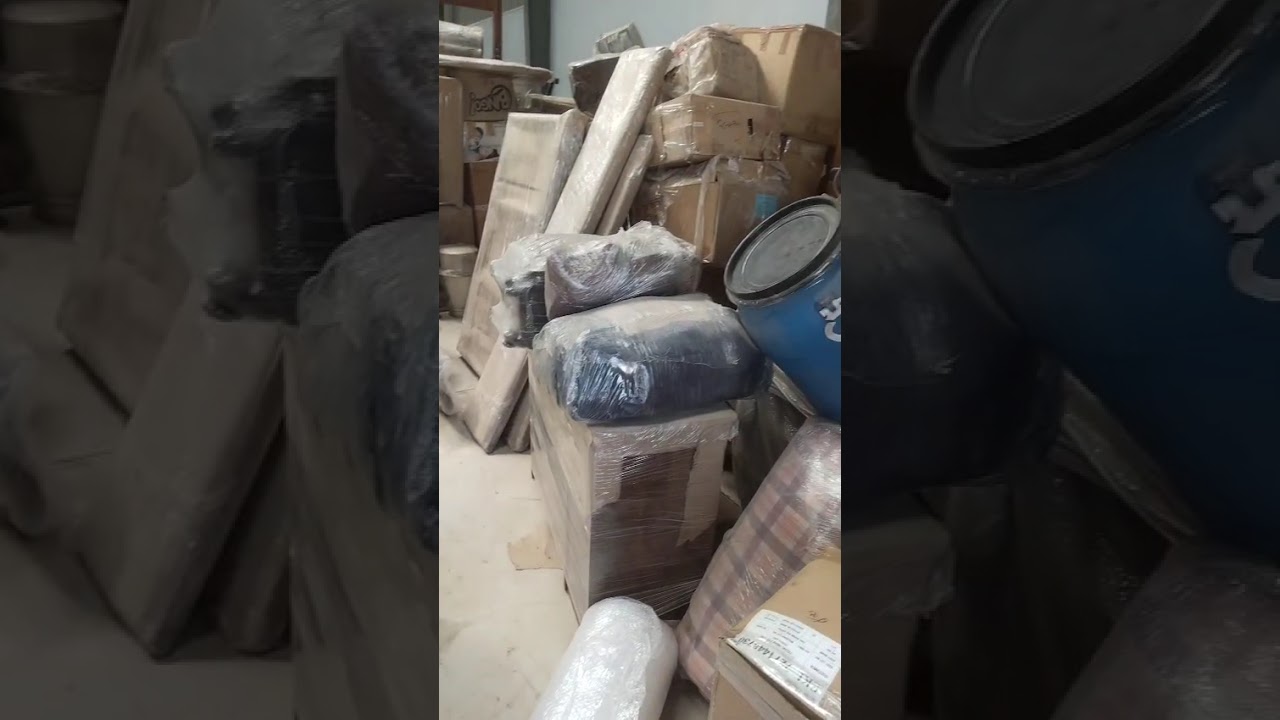 Watch packing demonstration
House shifting charges in Bangalore: FAQs
How much are 1 BHK shifting charges in Bangalore?
For a local 1 BHK move within Bangalore, an indicative range is ₹3,500 to ₹8,000. A lightly furnished flat with a lift at both ends and self-packed clothes sits near the lower end; full packing, a bed or wardrobe to dismantle, stairs or a long carry move it up. Technician work and taxes on your quote can be extra.
What is the 2 BHK shifting cost in Bangalore?
Local 2 BHK moves usually fall between ₹5,500 and ₹14,000 for packing, loading, transport and unloading. The final figure depends on how many cartons you actually have, furniture that needs dismantling, access at both buildings and whether AC, TV or geyser work is added.
How are 3 BHK house moving charges worked out?
Within Bangalore, an indicative range for a 3 BHK is ₹8,000 to ₹22,000. Larger homes vary more because furniture weight, number of appliances, glass items and building access differ a lot, so a room-by-room inventory or a survey gives a far more reliable figure than the BHK label.
Are AC, TV and geyser charges included in the shifting quote?
Not automatically. Ask the mover to list technician work separately. As broad budgeting guidance, split AC removal can be around ₹700 to ₹1,000 and refitting ₹1,200 to ₹1,800, excluding gas, piping and electrical work, but the actual cost depends on the job.
Do movers charge more if there is no lift?
Usually yes, because carrying furniture and appliances on stairs takes more people and time. There is no single citywide per-floor rate. Tell the mover the floor, staircase width and turns, and the heaviest items, so the stair work is priced and checked for safety before the day.
Is the house shifting cost calculator a fixed price?
No. For a local move it adds model packing, labour and transport components to the extra allowances you enter. Intercity results use the selected route and mode band plus entered extras. Unpriced access, tax, transit cover and unentered work remain outside the result. It is not a booking or a fixed offer; rely on the assessed written scope and payable total.
Do I have to pay my society a move-in deposit?
It depends on the society. Some associations ask for a refundable deposit or a fee, many do not. It is a matter between you and the society, separate from the moving charges, so confirm the amount and refund terms with the facility office in advance.
Will the movers reconnect my washing machine, RO and geyser?
Only if that work is in the agreed scope. Placing appliances is usually part of the move, but water and electrical connections, wall fixing and RO or geyser fitting may need a technician and the right points at the new home. Confirm this before booking.
How early should I book house shifting in Bangalore?
For a local move, a week or two ahead gives you time for a survey, lift booking and technician slots. Month-end and weekend dates get busy because many leases change then, so book earlier if you are moving around those dates.
Are GST and transit insurance included in shifting charges?
It depends on the quote. Ask whether tax is included or added on the invoice, and whether transit cover is offered, how it is priced and what document you will receive. Do not assume either is automatically part of the price.